

The truth about PMDD
The Wholistic Digest (vol. 27)


Maybe you’re the kind of girl who feels a little down or maybe irritable around your period. Picture it like a little bitty thunderstorm rolling through once a month.
But maybe not. Maybe you wish that was your monthly experience.
Meanwhile you’re the kind of girl who feels like a whole damn hurricane rolls through every month. We’re talking a Katrina-level disaster with 100mph winds, roofs ripped off, water flooding the streets…a complete identity crisis.
Rage, hopelessness, panic attacks, depression, exhaustion, intrusive thoughts, debilitating anxiety, insomnia, crying spells, bloating, breast tenderness, migraines, painful periods… basically you feel like a living, breathing DSM-5.
If that sounds dramatic, trust us… it’s not.
PMDD (Premenstrual Dysphoric Disorder) is very real, and for many women it feels like they become a completely different person for 1–2 weeks out of every month.
The worst part? Your doctor probably doesn’t believe you.
We’ve worked with hundreds of women dealing with PMDD and all of them have a similar story. They’re either:
dismissed
put on birth control ASAP
handed an antidepressant
told “that’s just hormones”
We’re here to tell you that you’re absolutely not being dramatic, it’s not “just hormones,” and you have another, better option for healing.
First… what is PMDD?
PMDD is considered a more severe form of PMS, but truthfully, that doesn’t even do it justice.
What makes PMDD unique is that symptoms are heavily tied to the luteal phase, the 10–14 days after ovulation when progesterone rises and estrogen fluctuates.
And contrary to what most people assume, PMDD usually isn’t caused by hormone levels just being “too high” or “too low.”
Research suggests that many women with PMDD are actually dealing with an abnormal sensitivity to normal hormonal fluctuations.
So like… what does that even mean?
The hormone changes themselves may be normal, but their nervous system and brain are reacting to those shifts much more intensely.
That’s why PMDD is often deeply connected to:
inflammation
neurotransmitter imbalances
histamine issues
chronic stress
blood sugar instability
gut dysfunction
And honestly? Once you understand those connections, the symptoms start making a whole lot more sense.
Root causes we commonly see
1. Chronic stress & nervous system dysregulation
If you’ve been here more than a minute, you knew we were going to bring up stress eventually. Classic Wholistic Renewal.
But this goes deeper than just “relax babe.”
Chronic stress literally changes the way the brain responds to hormone fluctuations. Prolonged states of stress end up driving up cortisol levels, which in turn impacts things like:
progesterone production → SO important for relaxation and balancing estrogen
neurotransmitter balance → closely connected to mental and emotional wellbeing
inflammation → manifests in head-to-toe symptoms (skin, gut, joints, brain, etc.)
blood sugar regulation → important for stable energy, mood stability, and weight
digestion → motility, nutrient breakdown, enzyme activity, and immunity are not priorities in this survival state
Those impacts might not be significant if they’re acute (aka short and sweet). But when you’re quite literally living in survival mode (as most girlies are), the nervous system takes a hit and becomes more reactive and less resilient to the hormonal shifts that naturally happen during the luteal phase.
For many women with PMDD, the nervous system feels like it’s constantly stuck in high alert, which then manifests in downstream issues we listed above.
2. Histamine overload
If you’re new here — histamine is a major chemical messenger involved in everything from inflammation to digestion to brain signaling.
In normal amounts, it’s helpful and necessary. Without major dysfunction within the body, your detoxification system is able to do its job clearing out the excess. But when histamine builds up faster than the body can clear it, things can get chaotic… fast.
This is a HUGE one that many women have never heard about.
Estrogen and histamine have a very interesting relationship:
estrogen can trigger histamine release
histamine can stimulate more estrogen
As you can imagine, this creates a vicious cycle triggered by the onset of natural hormonal shifts.
And because histamine also acts as a neurotransmitter (she really does it all), those higher histamine levels might help explain why you’re experiencing:
anxiety
insomnia
irritability
headaches
flushing or even hives
racing thoughts
Sound familiar?
We especially see this pattern in women with:
mast cell activation syndrome (MCAS)
gut issues
mold exposure
chronic inflammation
estrogen dominance
3. Gut imbalances & inflammation
The gut is key here… shocker. It plays a massive role in hormone balance and neurotransmitter production.
For all my fact checkers…
~90% of serotonin is produced in the gut
the gut microbiome helps metabolize estrogen
gut inflammation increases immune activation and histamine release
So when the microbiome is disrupted — whether from antibiotics, poor diet, chronic stress, pathogens, or food sensitivities — hormone regulation takes a hit.
This is one of the reasons we see PMDD symptoms improve significantly when clients address these deeper issues in the gut.
That’s why we make GI MAP and MRT testing non-negotiable at Wholistic Renewal. We need to see what we’re dealing with — gut infections, bacterial imbalances, food sensitivities, intestinal permeability, and other hidden sources of inflammation that your regular labs aren’t even looking for!
4. Blood sugar instability
Blood sugar swings are behind more than just energy dips and a muffin top. They put a lot of stress on the adrenal glands and nervous system.
When blood sugar crashes, the body jacks up cortisol and adrenaline to bring glucose back up. That’s a good thing… your body is responding accordingly to keep you moving and shaking. But this can be a bad thing when it’s happening all the time and you’re already dealing with a hypersensitive system. This all intensifies:
anxiety
mood swings
irritability
cravings
insomnia
And because the luteal phase naturally increases metabolic demand, women become even more sensitive to unstable blood sugar during this time.
This is why surviving on coffee and a granola bar until 2pm hits WAY harder (not in a good way) during the luteal phase.
So… what can actually help?
1. Stabilize blood sugar like your life depends on it (especially during the luteal phase)
One of the most effective things many women can do is increase protein, fiber, and slow-burning carbohydrates during the second half of their cycle.
That looks like:
root vegetables — potatoes, carrots, beets, radishes, parsnips, and onions
oats (great with nut butter, eggs, protein powder)
rice (great with avocado, salmon, chicken, beef, beans)
squash — spaghetti squash, zucchini, summer squash, acorn squash, butternut
fruit — berries and stone fruit are the best options for a lower glycemic index
legumes — beans, beans, beans… don’t sleep on beans
…paired with healthy fats and protein (don’t forget this!).
Reducing those blood sugar swings will help reduce cortisol spikes and give your body the fuel it needs to support progesterone production.
2. Support the nervous system daily
If you’re waiting until your heart is beating out of your chest, you’re sweating bullets, and your head is spinning to download the Calm app… sister that’s not gonna work.
Your nervous system needs consistent signals of safety. Not just when symptoms hit.
Some of our favorite tools:
breathwork
somatic exercises
EFT tapping
prayer
meditation
walks outside (leave your phone behind pls and ty)
vagus nerve stimulation — splashing cold water on your face, humming, singing
reducing overstimulation — quiet time, doing one thing at a time, less screen time
This is especially important because many women with PMDD also have a history of chronic stress or trauma. As you’ve probably heard, the body keeps the score.
If those deeper hurts aren’t processed and freed from your body, they’re going to show up in other ways, like autoimmunity, PMDD, cancer, IBS,… scary stuff.
3. Reduce histamine load
If histamine is a major driver, reducing incoming histamine can help significantly during the luteal phase. Unless symptoms are occurring all-month long, we only recommend lightening your histamine load for part of the month.
Histamine is produced by your immune system, but it’s also found in certain foods. So the easiest way to reduce that load is to be more mindful of common high-histamine foods, like:
alcohol
aged cheese
fermented foods
leftovers
cured meats
kombucha
We also often want to protect the body from histamine sources other than food. Histamine is produced when the gut lining is inflamed and permeable, the immune system is overreactive, and estrogen is built up. So it’s key to focus on these things too:
gut healing
l-glutamine powder
following your MRT diet (get tested here!)
DAO enzyme function
supplementing with DAO before histamine rich meals
healing intestinal villi damage
estrogen detoxification
daily bowel movements
increasing fiber intake for detoxification
increasing hydration
4. Support ovulation & progesterone naturally
Progesterone really is that girl (PS: we published a deep dive on her in our last newsletter —if you’re interested, you can read it here). So supporting her is a no-brainer.
Her calming, anti-inflammatory effects on the brain are going to make a big difference, especially for anyone with PMDD.
The best way to support progesterone? Support ovulation.
No ovulation = no progesterone rise.
If you’re serious about healing and want to learn more about this key connection, our last newsletter will be KEY.

TLDR… focus on these:
magnesium glycinate
vitamin B6
zinc
omega-3s
adequate calories (no deficits right now, babe)
stress reduction
Vitex supplementation (in some cases…. you probs should run a DUTCH first!)
5. Reduce inflammatory triggers
This is where functional testing becomes incredibly helpful. BURY me on this hill.
Food sensitivities, gut pathogens, mold exposure, and environmental toxins can all increase inflammatory signaling and make the nervous system more reactive to hormonal shifts.
But guess what?
If you don’t test… you don’t know what you’re up against in the body.
And if you don’t know what you’re dealing with… you can’t create a targeted plan to heal!
This is precisely why root-cause work changes everything for women with PMDD.
The Bottom Line
PMDD is not “just bad PMS.”
And you are not weak, dramatic, or broken for struggling with it. Don’t believe anyone who gaslights you or makes you feel like you’re being over-the-top.
Your symptoms are real… but they’re also not random.
Your body is responding to deeper imbalances involving the nervous system, inflammation, hormones, gut health, and immune function.
That’s scary and overwhelming.
But what’s beautiful and encouraging is that when those systems receive the right support…. things can change dramatically.
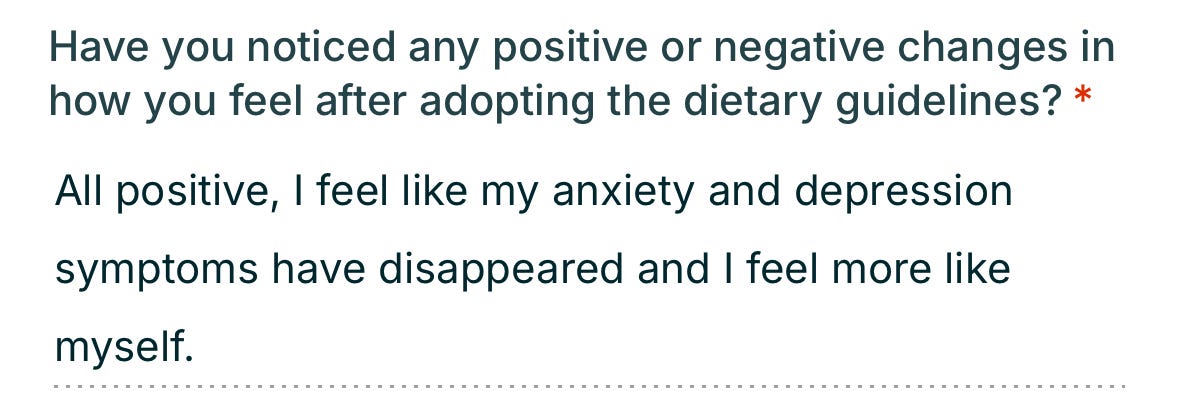
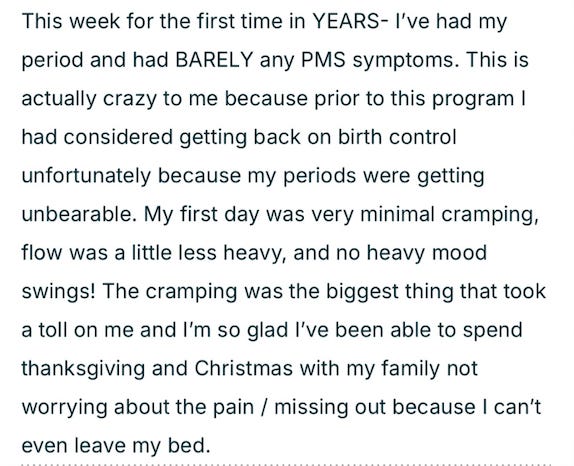
We’ve seen women go from dreading half their life every month… to finally feeling stable, clear-headed, and like themselves again.
Don’t take it from me… take it from them:

If you want that for yourself, we’d be thrilled to help you get there.
You can book a free call with our team here to get started.
It’s time you realize that your body isn’t working against you.
It’s trying to communicate with you! And healing starts when we finally listen.
In hope and healing,
Lena & Julia